

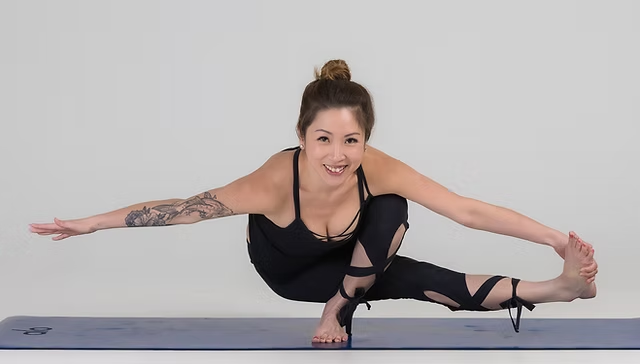
Singapore is often described through its efficiency, connectivity, and global outlook. For many people who relocate, travel frequently, or live long-term in the city, the challenge is not access to opportunities, but maintaining balance within a fast-moving urban environment. This is where yoga Singapore becomes less of an occasional activity and more of a lifestyle anchor. Rather than being associated with short retreats or temporary escapes, yoga in Singapore supports sustained wellbeing for those who choose to live, work, or spend extended periods in the city.
Unlike destination wellness travel, urban yoga practice is about integration. It blends into daily routines, supports physical and mental resilience, and creates continuity amid constant change.
Singapore as a City for Wellness-Oriented Living
Singapore’s infrastructure supports a high quality of life, but it also places continuous demands on time and attention. Long working hours, dense urban spaces, and constant digital connectivity can challenge even the most disciplined self-care routines.
For wellness-focused individuals, Singapore offers:
-
Structured schedules that support routine
-
High accessibility to professional services
-
Safe, clean, and efficient public spaces
-
A growing emphasis on preventive health
Yoga fits naturally into this environment because it adapts to urban life rather than competing with it.
Moving Beyond Retreat-Based Wellness
Many people associate yoga with retreats or short-term travel experiences. While these can be valuable, they often create a disconnect when returning to daily life.
Urban yoga practice offers a different benefit:
-
Consistency rather than intensity
-
Integration rather than escape
-
Sustainability rather than novelty
In Singapore, yoga supports long-term wellbeing by becoming part of everyday living, not something reserved for holidays.
Yoga as a Daily Anchor for Long-Stay Residents
For expatriates, frequent travellers, and long-stay visitors, routine can be difficult to maintain. Changing environments and schedules disrupt habits easily.
Yoga studios provide:
-
Familiar structure in an unfamiliar city
-
A sense of grounding amid constant movement
-
Predictable time blocks for self-care
-
A stable practice regardless of work demands
This consistency helps individuals feel settled, even when other aspects of life remain fluid.
Supporting Mental Stability During Relocation and Travel
Relocation and extended travel often bring mental strain. Adjusting to new environments, work cultures, and social expectations can create underlying stress.
Yoga supports this transition by:
-
Offering physical movement that reduces stress
-
Creating space for reflection and emotional processing
-
Encouraging body awareness during periods of uncertainty
-
Providing a neutral environment outside work and home
For those living in Singapore long-term, yoga becomes a tool for maintaining mental equilibrium rather than reacting to stress after it accumulates.
Urban Intensity and the Need for Recovery
Singapore’s pace is efficient but demanding. Without intentional recovery, mental and physical fatigue can build silently.
Yoga addresses this by:
-
Encouraging regular nervous system downshifting
-
Supporting recovery between busy days
-
Preventing burnout through consistent self-regulation
-
Maintaining energy levels without reliance on stimulation
This makes yoga particularly relevant for professionals and travellers who operate at a high level over extended periods.
Integrating Yoga Into a Busy City Schedule
One of yoga’s strengths in Singapore is its flexibility. Practice can be adapted to early mornings, lunch breaks, or evenings without disrupting work commitments.
Urban practitioners often use yoga to:
-
Transition between work and personal time
-
Reset after long periods of sitting or commuting
-
Create mental separation between responsibilities
-
Reclaim time intentionally rather than passively resting
This adaptability supports long-term adherence even during demanding phases of life.
Yoga Studios as Lifestyle Touchpoints
Yoga studios in Singapore function as more than practice spaces. They become touchpoints that anchor daily routines.
These spaces offer:
-
Calm environments away from urban noise
-
Predictable rhythms that support habit formation
-
Opportunities for quiet reflection
-
A sense of continuity within the city
Studios such as Yoga Edition play this role by providing consistent environments where practitioners can reconnect with themselves regularly.
Building Resilience Through Consistent Practice
Resilience is not built through occasional effort, but through regular, manageable practices. Yoga supports resilience by strengthening the body while calming the nervous system.
Over time, consistent yoga practice helps:
-
Improve adaptability to stress
-
Maintain physical mobility despite long hours
-
Support emotional regulation
-
Increase awareness of personal limits
For those choosing Singapore as a long-term base, this resilience becomes essential rather than optional.
Wellness Without Disruption to Urban Life
One of the misconceptions about wellness is that it requires stepping away from normal life. Yoga in Singapore challenges this idea by integrating wellness into daily routines.
Practitioners do not need to:
-
Change careers
-
Reduce ambition
-
Withdraw from social or professional life
Instead, yoga enhances the ability to participate fully without depletion.
Long-Term Lifestyle Alignment
Yoga supports alignment between values and daily actions. Over time, practitioners often notice subtle shifts in how they approach work, rest, and personal boundaries.
This alignment leads to:
-
More intentional use of time
-
Greater awareness of energy levels
-
Improved decision-making under pressure
-
Sustainable engagement with urban life
For those living in Singapore, yoga becomes part of how they navigate the city, not something separate from it.
FAQ
Q: Is yoga in Singapore suitable for long-stay residents rather than short-term visitors?
A: Yes. Yoga in Singapore is well suited for long-term residents, as it supports consistency, routine, and sustainable wellbeing rather than temporary experiences.
Q: Can yoga help with the stress of relocating to a new city?
A: Yoga supports emotional regulation and physical grounding, which can ease the transition during relocation and adjustment periods.
Q: How does yoga fit into a demanding urban work schedule?
A: Yoga is adaptable and can be practised at various times of day, making it suitable for professionals with busy or irregular schedules.
Q: Is urban yoga effective without retreat-style environments?
A: Yes. Urban yoga focuses on integration and consistency, which often leads to more sustainable benefits than occasional retreats.
Q: Can yoga support frequent travellers living in Singapore?
A: Yoga provides a stable routine that helps frequent travellers maintain balance despite changing schedules and environments.
Q: Does long-term yoga practice improve overall quality of life in a city like Singapore?
A: Over time, yoga supports resilience, clarity, and physical comfort, all of which contribute to a more balanced and fulfilling urban lifestyle.
