

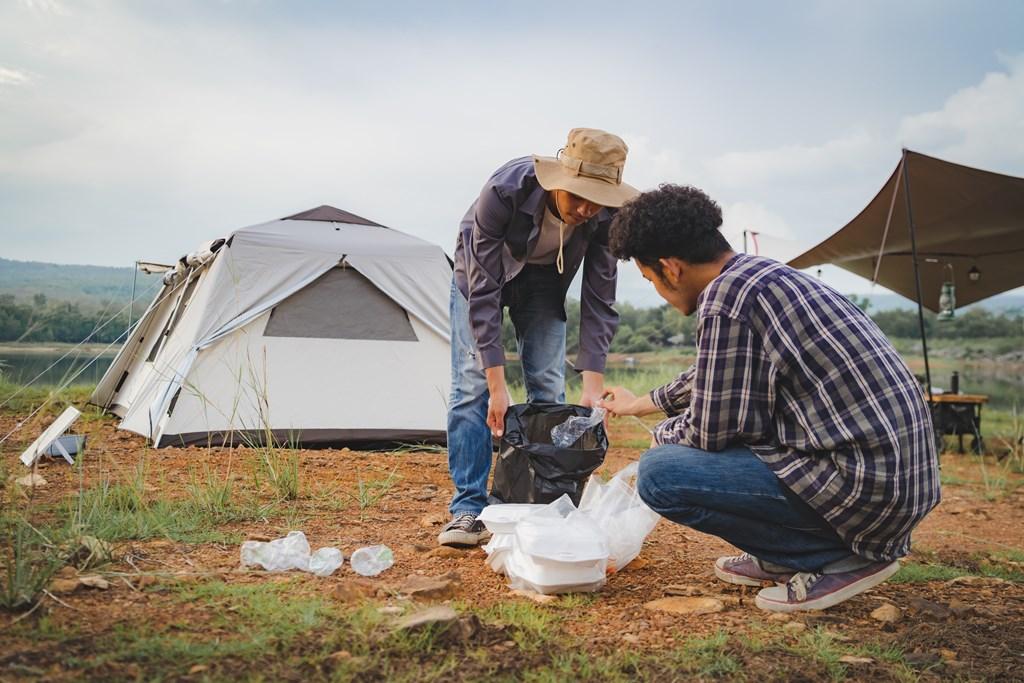
Camping offers one of the most direct and meaningful ways to reconnect with nature. However, the growing popularity of outdoor recreation has increased pressure on forests, rivers, deserts, and wildlife habitats across the country. Responsible travelers can help preserve these landscapes by adopting eco-friendly camping habits that reduce environmental impact while enhancing the outdoor experience itself.
Eco-friendly camping is not about sacrificing comfort or convenience. Instead, it involves making thoughtful decisions before, during, and after a trip so that natural spaces remain healthy and accessible for future generations. With the right mindset and preparation, travelers can enjoy the outdoors while protecting it.
Why Eco-Friendly Camping Matters
Natural areas are more vulnerable than they appear. Even small actions such as leaving food scraps behind, washing dishes in streams, or using disposable gear repeatedly across trips can cause long-term damage.
Sustainable camping helps:
- Protect wildlife habitats
- Prevent soil erosion and vegetation loss
- Keep waterways clean
- Reduce landfill waste
- Preserve scenic beauty for others
Responsible travelers recognize that every campsite visit carries an environmental footprint. The goal is not perfection, but consistent improvement through intentional choices.
Plan Ahead for Low-Impact Travel
Eco-friendly camping begins long before arriving at the campsite. Preparation reduces waste, minimizes resource use, and prevents unnecessary environmental stress.
Choose Sustainable Campsites
Whenever possible:
- Camp in designated areas
- Use established fire rings
- Follow local regulations
- Avoid fragile ecosystems
Designated campsites are carefully selected to concentrate impact in areas already adapted to human presence.
Pack Reusable Gear
Avoid disposable products whenever possible. Instead, bring:
- Stainless steel water bottles
- Reusable utensils and plates
- Cloth napkins
- Rechargeable lanterns
- Durable storage containers
Reusable equipment lasts longer and reduces landfill contributions over time.
Check Weather and Terrain Conditions
Planning for weather conditions helps prevent damage to natural areas. For example:
- Avoid camping during heavy rain in erosion-prone areas
- Stay off muddy trails
- Select durable ground surfaces
Smart preparation protects both travelers and landscapes.
Follow the Leave No Trace Principles
The foundation of eco-friendly camping is the Leave No Trace philosophy. These principles guide travelers in minimizing environmental impact across all outdoor activities.
Dispose of Waste Properly
Everything brought into a campsite should leave with you.
This includes:
- Food scraps
- Packaging materials
- Hygiene products
- Micro-trash such as twist ties and wrappers
Even biodegradable items like fruit peels can disrupt wildlife behavior and ecosystems.
Carry a dedicated trash bag and pack out all waste.
Respect Wildlife from a Distance
Wild animals depend on stable feeding patterns and safe habitats. Human interaction can disrupt both.
Responsible behavior includes:
- Never feeding wildlife
- Storing food securely
- Observing animals quietly from afar
- Keeping pets controlled
Wildlife should remain wild, not accustomed to human presence.
Leave What You Find
Natural environments are not souvenir shops.
Avoid removing:
- Rocks
- Plants
- Flowers
- Historical artifacts
- Antlers or shells
Leaving items untouched preserves ecosystems and cultural heritage sites.
Choose Environmentally Friendly Camping Gear
Camping equipment plays a major role in sustainability. Selecting long-lasting and responsibly produced gear reduces waste and supports ethical manufacturing.
Look for Durable Materials
Invest in quality items made from:
- Recycled fabrics
- Stainless steel
- Aluminum
- Sustainably sourced wood components
High-quality gear lasts longer and performs better over time.
Avoid Single-Use Plastics
Instead of disposable plastic products, choose:
- Silicone storage bags
- Collapsible containers
- Refillable toiletry bottles
Reducing plastic waste protects waterways and wildlife.
Repair Instead of Replace
Extend the life of gear by:
- Sewing small tears
- Replacing broken poles
- Cleaning zippers
- Waterproofing tents regularly
Maintenance reduces unnecessary consumption.
Practice Responsible Campfire Use
Campfires create memorable experiences but can also damage ecosystems when handled improperly.
Follow safe fire practices:
- Use established fire rings only
- Keep fires small
- Burn only local wood
- Never leave fires unattended
- Fully extinguish before sleeping or leaving
In dry regions or fire-restricted zones, skip fires entirely and use portable cooking equipment instead.
Reducing campfire impact protects forests and lowers wildfire risk.
Conserve Water While Camping
Freshwater sources near campsites support wildlife and fragile plant systems. Responsible travelers use water thoughtfully.
Wash Away from Streams and Lakes
Always:
- Wash dishes at least 200 feet from water sources
- Scatter strained dishwater
- Use biodegradable soap sparingly
This prevents contamination of aquatic habitats.
Use Water Efficiently
Simple habits make a difference:
- Turn off water while brushing teeth
- Carry only what you need
- Reuse rinse water when possible
Conservation protects ecosystems and extends supply during multi-day trips.
Manage Food Sustainably Outdoors
Food choices affect both environmental impact and wildlife safety.
Plan Meals Carefully
Bring only what you will realistically eat.
This helps:
- Reduce waste
- Prevent wildlife attraction
- Minimize packing weight
Thoughtful meal planning improves both sustainability and convenience.
Store Food Securely
Use wildlife-resistant containers where required.
If unavailable:
- Hang food from trees where permitted
- Keep sealed containers inside vehicles
- Store scented items with food supplies
Proper storage protects animals from dangerous human interactions.
Choose Low-Waste Foods
Environmentally friendly camping meals include:
- Bulk-packed ingredients
- Reusable containers
- Minimal packaging snacks
- Dehydrated meals with recyclable packaging
Less packaging means less trash to carry out.
Select Eco-Friendly Hygiene Products
Personal care items often introduce hidden pollutants into outdoor environments.
Switch to:
- Biodegradable soap
- Reef-safe sunscreen
- Natural insect repellent
- Compostable wipes
These products reduce chemical contamination in soil and water systems.
Always pack out hygiene waste instead of burying it unless regulations allow otherwise.
Camp on Durable Surfaces
Protecting vegetation is one of the simplest ways to reduce camping impact.
Choose surfaces such as:
- Gravel
- Sand
- Rock
- Dry grass
- Established campsites
Avoid fragile areas like wetlands, meadows, or moss-covered ground.
Repeated trampling damages ecosystems that may take years to recover.
Travel in Smaller Groups
Large groups create larger footprints.
Smaller groups:
- Produce less noise
- Reduce vegetation damage
- Generate less waste
- Minimize wildlife disturbance
If traveling with a larger party, split into smaller camping clusters where permitted.
Reduce Noise and Light Pollution
Nature is quieter and darker than most urban environments. Maintaining that atmosphere supports wildlife and improves outdoor experiences.
Practice low-impact behavior:
- Use headlamps instead of bright lanterns when possible
- Keep voices moderate
- Avoid playing music on speakers
- Respect quiet hours
Preserving natural soundscapes benefits both animals and fellow campers.
Support Parks and Conservation Programs
Responsible travelers contribute to the long-term protection of outdoor spaces by supporting conservation efforts.
Ways to help include:
- Paying campsite fees responsibly
- Volunteering for cleanup programs
- Supporting conservation organizations
- Participating in trail maintenance events
Financial and community support helps maintain access to natural landscapes.
Leave Campsites Better Than You Found Them
One of the most meaningful eco-friendly habits is improving campsites before leaving.
This can include:
- Picking up stray litter
- Restoring disturbed ground
- Removing unused firewood piles
- Packing out abandoned trash
Even small actions create lasting benefits for future visitors.
Responsible camping is not just about reducing harm. It is about actively protecting the places people travel to enjoy.
Educate Others About Sustainable Camping
Eco-friendly travel habits spread quickly when shared.
Encourage responsible behavior by:
- Modeling good camping practices
- Teaching children outdoor ethics
- Sharing sustainability tips with friends
- Supporting environmentally responsible travel communities
Collective effort creates measurable change across outdoor recreation areas nationwide.
Frequently Asked Questions
What is the biggest environmental mistake campers make?
The most common mistake is leaving food waste behind. Even biodegradable scraps attract wildlife and disrupt natural feeding behavior.
How can campers reduce their carbon footprint while traveling to campsites?
Choose nearby destinations, carpool with friends, drive fuel-efficient vehicles, and plan fewer but longer trips instead of frequent short visits.
Are biodegradable soaps safe to use directly in rivers or lakes?
No. Even biodegradable soaps should be used at least 200 feet away from water sources to prevent ecosystem disruption.
What type of camping has the lowest environmental impact?
Tent camping in designated campsites with reusable gear generally produces the least environmental disturbance compared to RV camping or dispersed vehicle camping.
How can families teach children eco-friendly camping habits?
Children learn quickly through participation. Assign simple responsibilities such as packing trash, conserving water, and respecting wildlife boundaries.
Is it better to camp in developed campgrounds or remote backcountry areas?
Developed campgrounds usually concentrate environmental impact in controlled areas, making them a more sustainable option for most travelers.
How can campers avoid disturbing nocturnal wildlife?
Limit artificial lighting at night, keep campsites quiet after dark, and store food securely to prevent attracting animals into sleeping areas.
