

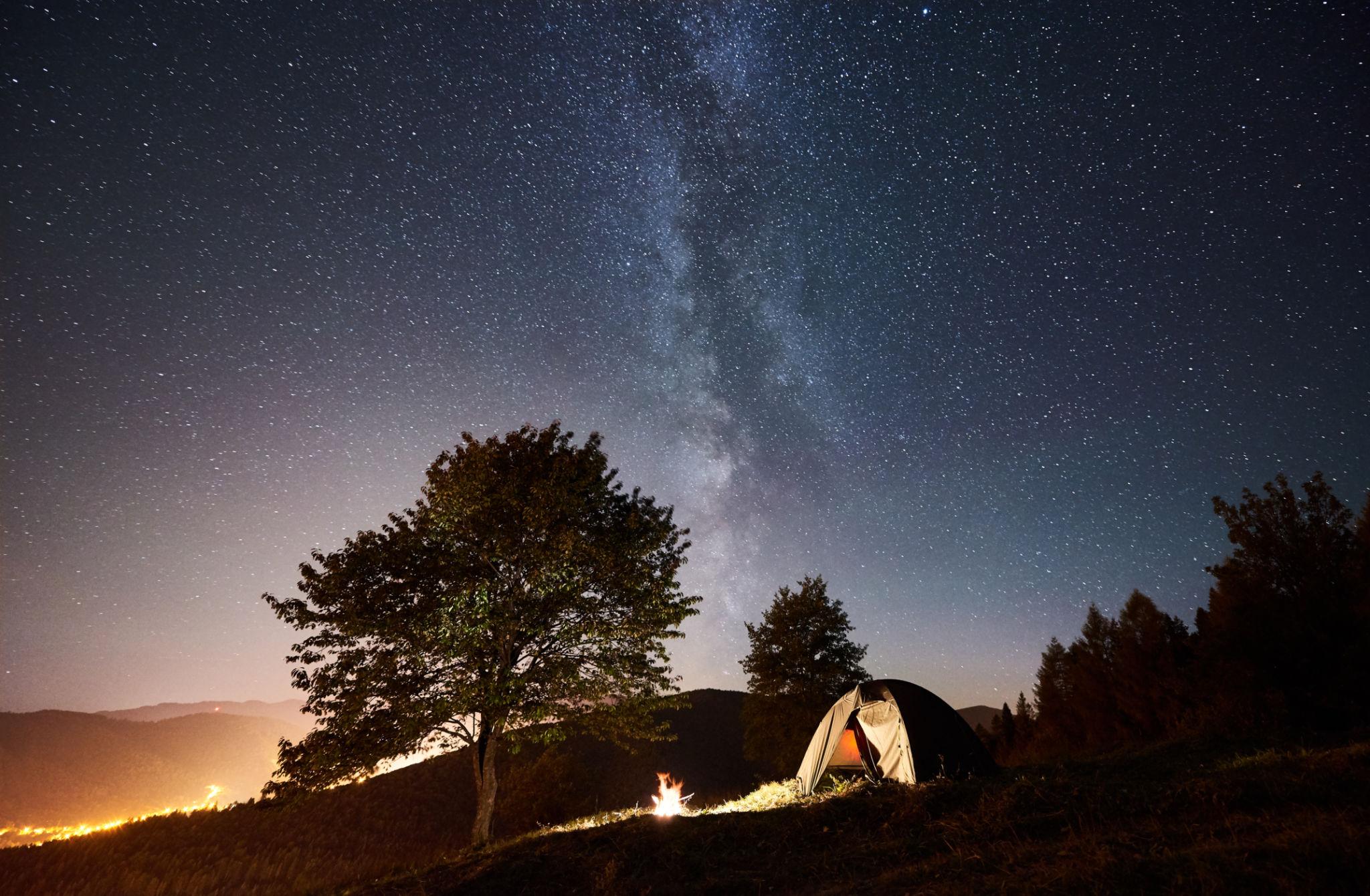
Modern life moves quickly. Many people spend their days surrounded by screens, deadlines, traffic noise, and constant notifications. Over time, this environment can increase stress, reduce focus, and create emotional fatigue. Camping offers a powerful and practical way to step away from those pressures and reconnect with a calmer rhythm of life.
Spending time outdoors does more than provide recreation. It supports emotional stability, strengthens resilience, improves sleep quality, and promotes a healthier mindset. Whether you camp for a weekend or an extended trip, the experience can create lasting mental health benefits that continue long after you return home.
Camping Reduces Stress Levels Naturally
One of the most immediate mental health benefits of camping is reduced stress.
Natural environments help lower the body’s stress response. When you spend time outdoors, your brain receives fewer overstimulating signals compared to urban settings. This allows your nervous system to settle into a calmer state.
Camping encourages stress relief through:
- Quiet surroundings
- Natural scenery
- Fresh air exposure
- Reduced digital distractions
- Slower daily routines
Many campers report feeling more relaxed within just a few hours of arriving at a campsite. The absence of traffic noise and constant alerts creates space for mental recovery.
Nature Exposure Improves Mood Stability
Natural environments influence emotional balance in powerful ways.
Camping increases exposure to:
- Trees
- Water features
- Open skies
- Wildlife sounds
- Natural light cycles
These elements help regulate mood by reducing overstimulation and encouraging mindfulness. Even short camping trips can improve emotional clarity and create a stronger sense of calm.
People often notice improved patience, reduced irritability, and a greater sense of perspective after spending time outdoors.
Camping Encourages Digital Detox
Daily technology use can overwhelm the brain.
Camping naturally limits screen time by replacing digital habits with outdoor activities such as:
- Hiking
- Cooking outdoors
- Stargazing
- Exploring trails
- Sitting around a campfire
This break from constant connectivity allows your brain to reset.
A digital detox during camping helps:
- Improve attention span
- Reduce anxiety linked to social media
- Support deeper conversations
- Increase awareness of surroundings
- Strengthen present-moment focus
Even a short break from devices can significantly improve mental clarity.
Outdoor Activity Supports Emotional Resilience
Camping typically involves movement. Setting up a tent, walking trails, gathering supplies, and preparing meals all encourage physical activity.
Movement supports mental health by:
- Reducing tension stored in muscles
- Increasing circulation
- Improving energy levels
- Supporting hormone balance
- Enhancing confidence
Physical engagement also creates a sense of accomplishment. Completing simple outdoor tasks can boost self-esteem and reinforce independence.
Better Sleep Happens Naturally While Camping
Many people struggle with sleep due to artificial lighting and irregular schedules.
Camping helps restore natural sleep rhythms because it aligns your body with daylight patterns.
Benefits of sleeping outdoors include:
- Exposure to sunrise and sunset cycles
- Reduced nighttime screen exposure
- Cooler nighttime temperatures
- Lower background noise compared to cities
- Increased daytime physical activity
These conditions help regulate melatonin production, which improves sleep quality and duration.
Better sleep contributes directly to improved emotional stability and cognitive performance.
Camping Strengthens Social Connections
Human relationships play a major role in mental well-being.
Camping encourages meaningful interaction by removing everyday distractions. Shared outdoor experiences often create stronger bonds than routine social gatherings.
Camping supports connection through:
- Group cooking activities
- Campfire conversations
- Shared exploration
- Cooperative planning
- Problem-solving together
Families, friends, and couples frequently report improved communication after camping trips because the environment encourages presence and attention.
Time Outdoors Supports Mindfulness
Mindfulness is the ability to stay present in the current moment.
Camping naturally encourages mindfulness because the environment slows your pace and draws attention to sensory experiences.
Examples include:
- Listening to birds
- Watching moving clouds
- Feeling wind through trees
- Observing water movement
- Sitting beside a fire
These experiences help reduce overthinking and interrupt cycles of worry.
Mindfulness strengthens emotional awareness and improves long-term mental resilience.
Camping Builds Confidence and Self-Reliance
Trying new activities outdoors can feel challenging at first. However, learning practical camping skills increases confidence over time.
Examples of confidence-building experiences include:
- Setting up shelter
- Navigating trails
- Cooking outside
- Managing weather changes
- Planning daily routines independently
Each successful task reinforces a sense of capability.
Confidence gained during camping often transfers into everyday life decisions and problem-solving situations.
Natural Sunlight Supports Mental Balance
Sunlight plays an important role in emotional health.
Camping increases exposure to natural daylight, which helps regulate important body systems connected to mood.
Sunlight supports:
- Vitamin D production
- Healthy sleep cycles
- Hormone regulation
- Energy levels
- Mental clarity
People who spend more time outdoors often report improved motivation and reduced seasonal mood challenges.
Even moderate sunlight exposure during a weekend trip can produce noticeable benefits.
Camping Encourages Simplicity and Mental Reset
Modern routines often include too many responsibilities and distractions.
Camping simplifies daily life by focusing attention on essential needs such as shelter, food preparation, and navigation.
This shift creates mental space by reducing:
- Decision fatigue
- Information overload
- Social pressure
- Work-related stress
- Household responsibilities
A simplified environment allows the brain to rest and recover from constant multitasking.
Many campers return home with clearer priorities and renewed motivation.
Exposure to Green Spaces Supports Cognitive Function
Spending time around trees and natural landscapes improves brain performance.
Camping environments support:
- Stronger memory recall
- Improved concentration
- Faster mental recovery after stress
- Increased creativity
- Sharper problem-solving ability
These benefits occur because natural environments reduce mental fatigue caused by prolonged focus on artificial stimuli.
Time spent in green spaces restores attention capacity and supports long-term cognitive health.
Camping Helps Reduce Anxiety Symptoms
Camping environments naturally lower stimulation levels that contribute to anxiety.
Calming elements such as flowing water, open landscapes, and quiet evenings help the nervous system relax.
Camping reduces anxiety by:
- Encouraging slower breathing patterns
- Supporting physical movement
- Limiting digital interruptions
- Creating predictable daily routines
- Increasing exposure to calming scenery
Many people notice improved emotional steadiness after even short outdoor stays.
Regular nature exposure strengthens these benefits over time.
Outdoor Experiences Promote Emotional Perspective
Camping often shifts how people view everyday concerns.
When surrounded by mountains, forests, or open skies, daily stressors feel less overwhelming. This change in perspective helps people reassess priorities and regain emotional balance.
Nature encourages reflection by:
- Creating quiet thinking space
- Reducing distractions
- Supporting creativity
- Encouraging journaling or conversation
- Providing distance from routine pressures
Perspective gained outdoors can support healthier decision-making after returning home.
Camping Supports Long-Term Mental Wellness Habits
One of the strongest benefits of camping is how it encourages lasting lifestyle improvements.
After experiencing the mental clarity that outdoor time provides, many people begin adding more nature-based activities into their routines.
These may include:
- Weekend hikes
- Outdoor exercise
- Local park visits
- Family nature outings
- Evening walks without devices
Consistent outdoor exposure strengthens emotional stability and supports healthier coping strategies over time.
Camping often becomes the starting point for a more balanced relationship with nature and personal well-being.
Frequently Asked Questions
How often should someone go camping to experience mental health benefits
Even one camping trip every few months can provide noticeable mental health improvements. More frequent trips may strengthen long-term benefits.
Is solo camping helpful for emotional well-being
Solo camping can support self-reflection, independence, and confidence. Many people find it especially helpful for resetting mentally.
Can camping help people who feel mentally exhausted from work
Yes. Stepping away from work environments and digital communication allows the brain to recover from prolonged mental strain.
Does camping benefit children’s emotional development
Camping supports curiosity, independence, patience, and confidence in children while encouraging healthy outdoor habits.
Are short overnight camping trips still effective for stress relief
Yes. Even one night outdoors can reduce stress levels and improve sleep quality.
What type of camping environment is best for relaxation
Quiet locations near forests, lakes, or mountains typically provide the strongest calming effects.
Is camping helpful during seasonal mood changes
Yes. Increased daylight exposure and outdoor activity during camping can support emotional balance during seasonal transitions.
